
The smart home used to be the stuff of science fiction — moviegoers watched Tony Stark run his mansion by voice and wished. These days you don’t need to be a billionaire: between Amazon Alexa, Google Home, and Apple Home, basic home automation is within nearly anyone’s reach. The real question has changed. It’s no longer can you make your home smart — it’s which ecosystem, and how far can it take you.
The three consumer ecosystems
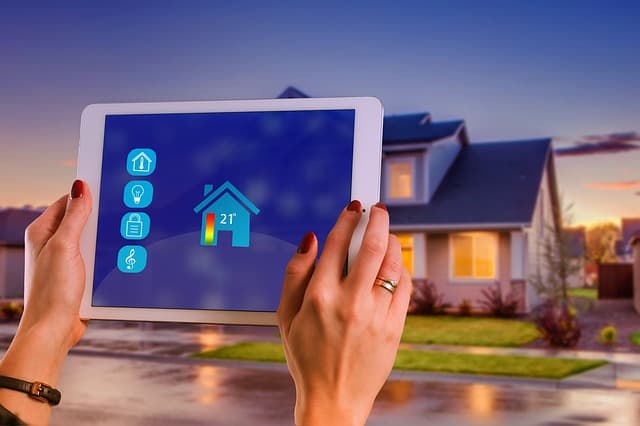
Every DIY smart home is built around one of three ecosystems, and each has the same three parts: a voice assistant, speakers and displays to talk to it, and a phone app where devices are managed.
Amazon Alexa supports the broadest universe of third-party devices and is the easiest to build out cheaply. Its Routines feature automates flows across devices — one phrase dims the lights, locks the doors, and sets the thermostat.
Google Home is the natural fit for Android households, with the strength you’d expect from Google: it answers almost anything, and its automations work much like Alexa’s.
Apple Home is the most private and the most curated. Fewer compatible devices, tighter security, and a seamless experience if your household already lives on iPhones.
What Matter changes
The old pain of checking every box for “Works with Alexa” or “Works with Google” is finally easing. Matter — the standard backed jointly by Amazon, Google, Apple, and the major device makers — lets certified devices work across ecosystems, so a Matter light or lock isn’t married to one assistant. It doesn’t make every device interchangeable overnight, but it means the ecosystem you pick today locks you in far less than it used to.
Where DIY tops out
Whichever assistant you choose, a piecemeal smart home has ceilings. Every device leans on your Wi-Fi, and nobody is managing that network. Automation logic lives in whichever app each gadget came with. Audio, video, shades, and security each speak their own language. And when something breaks at 7am on a Monday, the manufacturer’s support line is the only help coming.
That’s the line where a professionally integrated system — built on platforms like Control4, Crestron, and Lutron — takes over. Instead of a collection of gadgets, the home is engineered as one system: lighting, climate, shades, security, whole-home audio and video, all on a hardwired backbone with an enterprise-grade network underneath, controlled from one interface (and still friendly with Alexa, Google, or Siri for voice). It’s the difference between owning smart devices and living in a smart home — and it’s what we design every day, backed by Smart Care monitoring rather than a support hotline.
How to choose
A practical path: if you’re experimenting, pick the assistant that matches your phone and your household’s habits, favor Matter-certified devices, and put them on solid Wi-Fi. If you’re building — a renovation, a new home, or a house you plan to stay in — start with the wiring and the network, and design the system as a whole. Our smart home cost guide breaks down what that investment looks like.
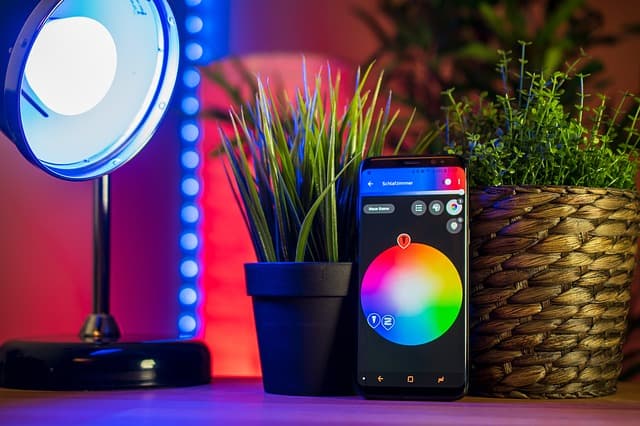
However far you take it, the goal is the same: a home that responds to you without you thinking about it. When you’re ready to go past the gadget stage, see what a fully integrated smart home looks like or talk with us about yours.