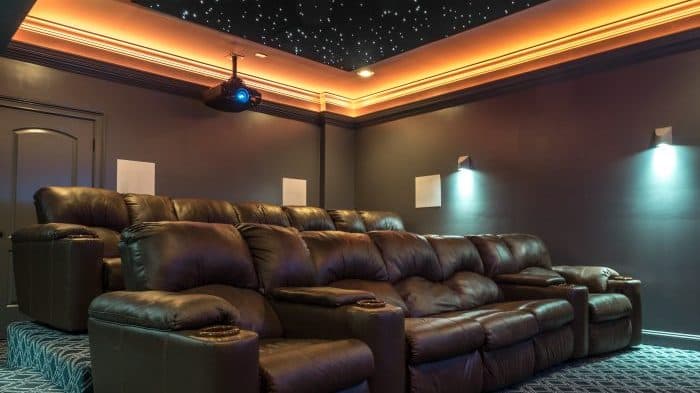
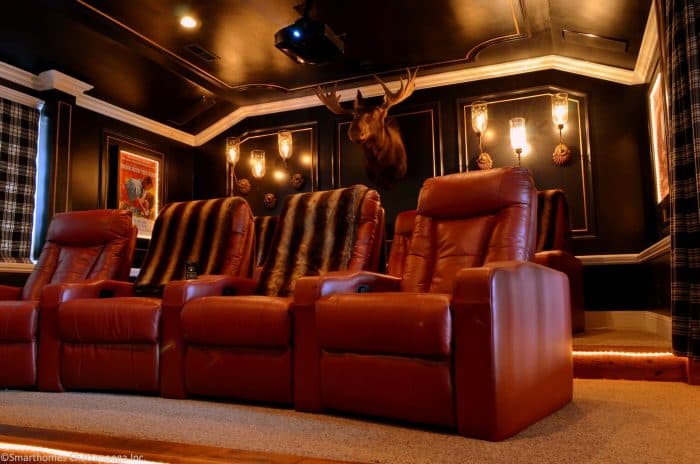
Projectors have been evolving for as long as they’ve existed, and the biggest shift of the modern era is settled: laser light sources have overtaken lamps. Traditionally, projectors used a large bulb — an ultra-high-pressure mercury or metal halide lamp — to push an image onto the screen, along with the cooling fans those hot bulbs demand. Laser projectors replace the bulb with solid-state laser light, and what began as an expensive novelty is now the standard across home theaters, boardrooms, and large venues alike.
Lamp models still exist at the entry level, so if you’re weighing a projector purchase, here’s how the two compare.
Lamp vs laser at a glance
| Consideration | Lamp projector | Laser projector |
| Initial investment | Lower up front. | Higher up front, though the gap has narrowed dramatically. |
| Operation | Needs time to warm up and cool down. | Instant on and off. |
| Image quality | White-light projection means less contrast and softer images. | Sharper, clearer images with stronger contrast and a wider color range. |
| Brightness | Fades noticeably as the lamp ages; full brightness returns only with a new lamp. | Declines very gradually over the light source’s life — no sudden drop-offs. |
| Maintenance | Lamps last roughly 2,000–6,000 hours, and each replacement costs money and downtime. | Practically none — the light source is rated around 20,000–30,000 hours, effectively the life of the projector. |
Add it up and laser wins on every count except the sticker price — which is why it has become the default. Over the life of the projector, skipping lamp replacements usually makes laser the cheaper option too.
Where does that leave lamps? At the budget end. For a casual setup — occasional movie nights, a bonus room — an inexpensive lamp projector still does the job, as long as you go in expecting lamp replacements as a recurring cost.
For a serious home theater, or any commercial environment, laser is the clear choice: instant on/off for conference rooms, consistent brightness for spaces that run all day, and the high lumen output that large screens and bright rooms demand. Laser is also what makes ultra-short-throw “laser TV” setups possible — a projector inches from the wall producing a 100”+ picture.
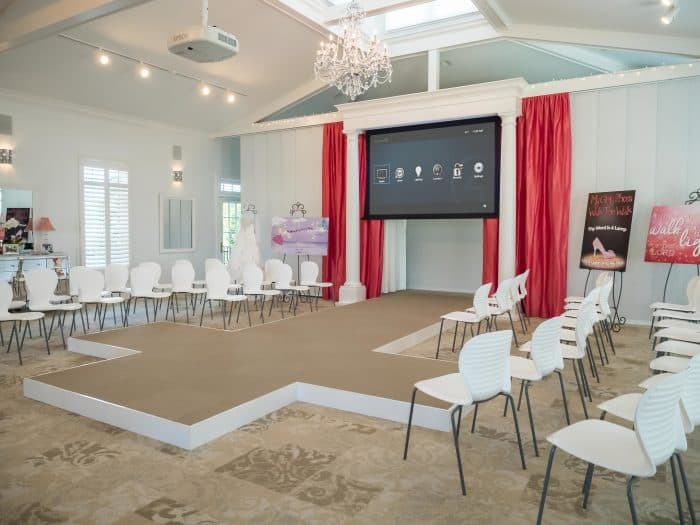
If you’re planning a projection system — theater, boardroom, or venue — talk to us. We’ll size the brightness, throw, and screen to your actual room instead of a spec sheet.